Winter can be a difficult time for many of us. Those darks night that seem to draw in earlier and earlier, the cold and wet weather putting us off venturing outside for a walk, and our immune systems tending to take a hit just to make things feel even more miserable when we seem to catch every cold and virus going around!
Then, of course, for the past two years we’ve had to deal with Covid-19 preventative measures too. We’re still not able to fully and freely socialise with others like we have in the past and so we might be feeling more alone and isolated than usual too.
It’s difficult not to feel a little down when things are like this, but these “winter blues” might actually be a condition known as Seasonal Affective Disorder. In this blog, I want to talk a little more about what that is, how it affects us and what we can do to lessen its hold on us.
What is Seasonal Affective Disorder (SAD)?
SAD is a type of seasonal depression that is sometimes known as “winter depression” because it tends to be more apparent and severe during the darker months (yet some people are the opposite and get SAD during the summer and feel happier during the winter!)
According to the NHS, symptoms of SAD include:
- A persistent low mood
- Loss of interest/pleasure in everyday things
- Irritability/mood changes
- Feeling lethargic and wanting to sleep more (“hibernate for the winter”)
- Craving carbs (comfort food) and gaining weight
If you do recognise any of these symptoms, your first port of call should always be discussing things with your GP. This can ensure that SAD is the real cause, rule anything else out that might be triggering these symptoms (like vitamin deficiencies, hormonal changes, other mental health conditions, etc) and advise on good approaches for you to take to recover from this type of depression.
What causes SAD?
Honestly? No one knows for sure.
It could be due to less vitamin D in our bodies as a major source for us is sunlight (so taking a daily supplement in the darker months can be a good idea). Another theory is that the lack of sunlight stops the hypothalamus from working properly in our brain. The hypothalamus is like a “thermostat” which tells the brain when to release or stop certain hormones and neurotransmitters, so if these are stopped/released incorrectly, SAD may occur.
Whatever the mechanism behind SAD, there are some simple lifestyle changes you can make to help you beat those winter blues and enjoy the darker months ahead.

Invest in a dawn lamp
Light therapy is a recognised treatment for SAD, as it’s literally replacing the lost sunlight! You can buy special dawn lamps that slowly wake you in the morning with a light that brightens in intensity to mimic the sunrise. Some models come with additional features like birdsong, mobile phone charging, etc (I haven’t seen one that will make you a cup of tea yet though!)
Consider counselling
Things can often get on top of us during winter that we can usually handle the rest of the year. These underlying issues can be helped by talking things through with a counsellor, finding healthy coping mechanisms that you can use at any time of the year and simply being able to vent those bottled-up feelings of frustration so many of us keep inside.
Eat a well-balanced diet
Yes, we’re encouraged to indulge over Christmas, but make sure you’re getting some fruit, veg and healthier options in your diet too. Vitamin supplements can assist with ensuring you’re getting what you need but aren’t a substitute for eating well.
Get moving
Exercise is one of the best ways to beat SAD as it not only helps us to boost our energy levels when we’re feeling lethargic, but it can get our blood circulating better around the body too. Better circulation can ensure those feel-good endorphins can get to work quickly, but it can help us feel more focused, positive and motivated too.
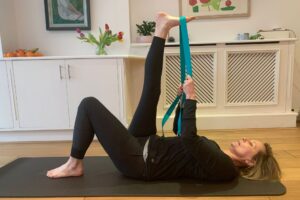
Pilates is great for Seasonal Affective Disorder because it can be done in your own home and in your PJs! If you miss being social, there are Zoom classes you can join in with or you can access videos to watch and practice along with when you feel like it. I often feel that just a short five-minute routine on those difficult days when you just want to crawl back into bed can help put you in a positive mood and ready to tackle the day ahead!