With the recent September heatwave here in the UK, I think it’s fair to say most of us have been feeling hotter than usual for a few days! It’s prompted me to revisit one of the topics I like to talk about – hot flushes.
If you’re meandering through the maze of midlife, these sudden surges of warmth might be all too familiar. But for the uninitiated, imagine a rush of heat that engulfs you from head to toe, making you feel like you’ve just run a marathon in a sauna. It’s an experience many of us share, but, interestingly, not every woman going through peri/menopause feels this fiery phenomenon.
In this blog, I want to discuss what hot flushes actually are, their causes and triggers, and some of the natural remedies and lifestyle changes that can reduce their impact.
Understanding menopausal hot flushes
Hot flushes can feel like nature’s unexpected prank, can’t they?
Picture this: one moment you’re immersed in a book or deep in conversation, and the next, you’re engulfed in an intense wave of warmth. Starting from the chest, it travels upwards to your neck and face, often accompanied by a rapid heartbeat or even a bout of sweating. It’s as if you’ve been momentarily teleported to a tropical island without the sandy beaches or palm trees.
These flushes often arrive without warning, making them difficult to predict or prepare for. Their unpredictable nature means they might pop in during that important meeting or even in the calm of night, disrupting a peaceful sleep. This can leave you tossing and turning, searching for a cooler patch on the pillow.
But here’s the kicker: while hot flushes seem to be the celebrity symptom of menopause, hogging the limelight in discussions and debates, not everyone gets an invite to this heated party.
Menopause, with all its nuances, is a deeply personal journey. For some, hot flushes might be a daily occurrence, while others might only have a rare encounter. Then some never experience them at all. It’s like a vast palette of experiences, and hot flushes are but one colour amidst a myriad of shades. It underscores the fact that each woman’s journey is unique, and while there might be common threads, the tapestry of menopause is rich and diverse.
What causes hot flushes?
Menopause is a bit of a puzzle, with hot flushes as one of its most intricate pieces.
Oestrogen, that quintessential female hormone that has been a lifelong companion, undergoes significant shifts during menopause. As its levels decrease, the body’s internal thermostat gets a little wonky.
This hormonal roller-coaster can send signals to the brain, mistakenly thinking it’s overheated, which in turn triggers a hot flush as the body’s way of trying to cool down. It’s a complex dance of neurochemistry and hormonal fluctuations.
Yet, the story doesn’t end with oestrogen. The thyroid, that butterfly-shaped gland in our neck, plays a pivotal role in regulating body temperature. When it’s not functioning optimally, it can throw off our temperature regulation, leading to flushes. Medications, especially those that alter hormone levels or impact the body’s thermostat, can also be potential culprits.
Dietary choices play their part too. Remember that time when the spicy curry left you reaching for a fan? Or when the caffeine in your morning coffee seemed to raise more than just your alertness? Certain foods and drinks are known to act as triggers, and pinpointing them can be instrumental in managing episodes.
Stress can also be a culprit, activating a ‘fight or flight’ response, and releasing a cocktail of hormones into the bloodstream. This can inadvertently crank up the body’s internal heat, leading to a hot flush. So, the next time you’re amidst a heated discussion or facing a tight deadline, be mindful of the possible thermal aftershocks!
Natural remedies and lifestyle changes to help you manage your hot flushes
First and foremost, become your investigator. A food diary can be an invaluable tool in this quest. Start noting down what you eat and drink, and when those flushes hit. It might be the sugar rush from afternoon sweets, the tantalising spice in your favourite curry, or perhaps the relaxing sip of wine in the evening.
Whatever the culprits, identifying them is half the battle. Once you’ve discerned a pattern, you can begin to tweak your diet. Perhaps it means reducing certain trigger foods, opting for milder flavours, or simply moderating consumption.
Now, let’s talk about attire. As you navigate the ebb and flow of hot flushes, your wardrobe can be a sanctuary of comfort. Loose clothing allows the skin to breathe, facilitating better air circulation. Layering becomes a strategic move, letting you peel off or add on as the internal thermostat fluctuates.
Fabrics play a pivotal role too. Natural fibres, like cotton or linen, are breathable and wick away moisture, ensuring that even when a hot flush strikes, the aftermath is less sticky and more comfortable.
Night-time brings its own challenges. Those sudden nocturnal heatwaves can disrupt a peaceful night’s rest. Opting for light, breathable bedding can make a world of difference. Natural fibre sheets, combined with moisture-wicking sleepwear, can create an oasis of calm amidst the tempest of night sweats.
Venturing into the realm of herbal remedies? The green world is vast, offering a plethora of options from black cohosh to red clover. However, it’s paramount to tread with caution. While many herbs are touted as miracle solutions, not all are backed by rigorous research.
This is where the Traditional Herbal Registration (THR) comes into play. It’s a marker of safety and quality, ensuring that the product you’re considering has been thoroughly assessed for efficacy and safety. Remember, while nature has a bounty to offer, it’s essential to make informed and safe choices on this journey to cooler climes.
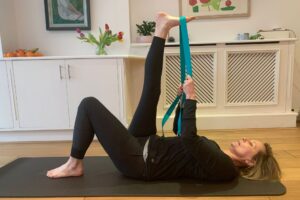
Stress, that ever-persistent shadow, can also turn up the heat. If you find yourself often flustered, it might be time for some mind-cooling techniques. Mindfulness isn’t just a buzzword—it’s a tool. And for the body, how about some gentle movement? Pilates, yoga, or tai chi can be just the ticket to combat chronic stress, and they might even gift you a night of serene sleep.
On a personal note, I’ve been fortunate. The fiery flushes haven’t been a frequent visitor for me. But I’ve heard the tales, seen the fanning, and witnessed the search for solutions among friends. If you’re in the hot seat, I hope this article offers a sprinkle of insight or at least a dose of camaraderie. And remember, if you are struggling with your menopausal symptoms make sure you speak to your GP to explore the medical options, such as HRT, that are available to you.