We’re rapidly approaching the warmer months and for many of us that means hot and sticky sleepless nights thanks to the humidity we all too often experience here in the UK.
Not getting a good night’s sleep can be problematic for all of us, causing issues such as:
- Poor productivity and concentration
- Mood changes
- Greater risk of heart disease
- Higher inflammation levels within the body
- Weaker immune system
- Weight gain
It’s recommended that adults get 7 – 9 hours of sleep each night (with a few hours more for teens and children). So, what can we do to get a better night’s sleep?
What’s the deal with sleep hygiene?
A term you might have come across before is sleep hygiene. In a nutshell, it’s an umbrella term for habits and practices that you can make to help you sleep. Quite often you’ll hear things like:
- You should go to bed at the same time every day
- You should wake at the same time every day
- Only use your bedroom for sleeping
- Avoid electronic devices in bedrooms
- Go to bed only when you’re tired
While these can be helpful for some people, it can be quite frustrating when you’ve tried these things and they don’t work for you. We’re all different and what might work for some people won’t work for you.
One reason why good sleep habits might not work for you is if the sleeping difficulties are coming from a medical cause such as pain, chronic illness, anxiety, depression, etc. If that is the case for you then do speak to your doctor/medical team for support.
Create a restful bedroom
It’s generally easier to fall to sleep in a cool, dark and quiet room (which is why the hot and sticky weather can be such a nightmare for getting to sleep!) but it’s different for all of us.
Have a think about the kind of environment you get to sleep in best and ensuring your bedroom is as optimised as possible. You can try things like:
- Blackout blinds/curtains if you need complete darkness, or slat blinds you can open to allow a little light in to suit you
- Using ear plugs to block out street noise or snoring, or trying ambient noise with rainfall or white noise playing through a speaker pillow
- Use a fan to get some air moving on those warm nights or set the heating to just the right temperature for you in winter.
- Choose the right mattress and bedding to help you feel supported and cosy
Prepare your body and mind to sleep
Our physical and mental health can have a huge impact on the amount and quality of sleep we get. Being aware of this and introducing a few changes to your daily routine can be beneficial. It’s worth
Avoiding caffeine, alcohol, nicotine or eating a big meal close to bedtime as they can make it harder to fall asleep and/or trigger acid reflux which can keep you awake at night
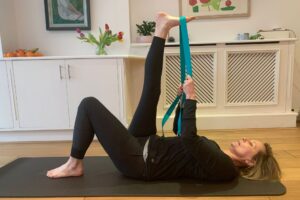
Do exercise in the evening but avoid anything too vigorous. A Pilates routine that can help you unwind and release the day’s stresses can be a good addition to your pre-bedtime routine.
Manage the worries that keep you awake at night. Writing them down before you go to bed, talking things through with a partner and avoiding the news and social media at night can help with this.
Practice mindful breathing to help you drift off to sleep. Mindful breathing is a fantastic way to slow down your body and help ease it into sleep.
Don’t fight the insomnia
If you do find it hard to get to sleep or wake up during the night, one of the worst things you can do is try to fight against it. Tossing and turning all night doesn’t help you get a good night’s sleep.
If you’re struggling to fall asleep after half an hour or have woken up, get out of bed and do something relaxing for a while. This might be reading a chapter of a book, listening to some low tempo music, practising mindful breathing or a meditation, etc.
When you start to feel sleepy again, head back to bed and you should find it easier to fall to sleep.
Sleep is different for all of us from how much we need each night to our perfect bedtime. Trying to fit into a “bed by 10 and up by 7” routine might not be the best thing for you so getting a good night’s sleep is about trial and error to discover what will work for you. I hope the strategies I’ve shared will help you to do just that.