Today I’m writing about hot flushes. If you’re going through peri/menopause you know what I’m talking about.
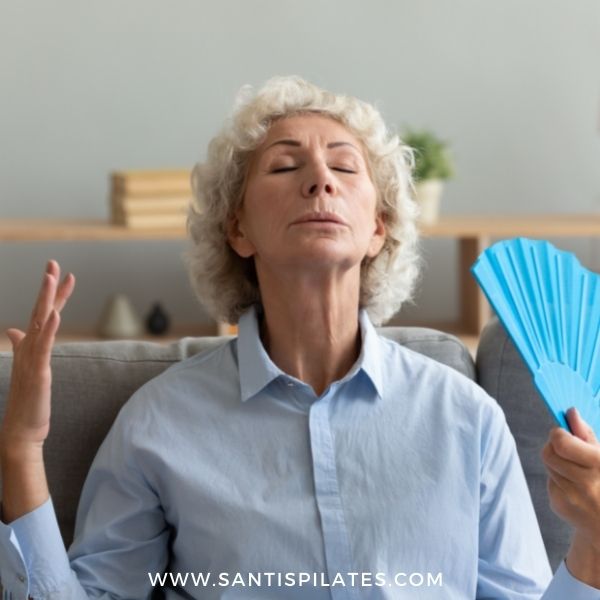
The heat comes quickly and spreads throughout the whole body. It usually only lasts for a few seconds, but it might happen with alarming frequency several times a day and during the night interrupting your precious sleep.
Hot flushes (or hot flashes) are often used as the main symptom to describe the menopause, but not every woman has them.
The exact cause for hot flushes is unknown, but the hormonal fluctuations certainly play a part. Especially low oestrogen levels can trigger hot flushes. Thyroid problems, medications, certain foods & drinks and raised stress levels may all be responsible for these uncomfortable sparks of heat in your body.
Some women are more at risk than others. Women who smoke, are overweight and not physically active are at higher risk of hot flushes.
Another risk factor is ethnicity. Women with a Black-African background are more prone to hot flushes than white European women; Asian women on the other hand suffer less than white European women.
There are some natural remedies and lifestyle changes that can help with hot flushes.
Start to note the triggers for your hot flushes such as sugar, caffeine, alcohol, spicy food. Write it down and as soon as you can see a pattern emerge you can take action and cut down (or eliminate) certain foods from your diet.
If you tend to feel like you’re going to explode leave the tight fitting items in your wardrobe for now and opt for loose, comfy clothes in layers so you can easily take something off if you need to. For the night, wear natural fibres and use light bedding to avoid overheating.
There are plenty of alternative remedies available to help with hot flushes. Some of them with little evidence or mixed results. If you choose a natural product make sure it’s been approved by the Traditional Herbal Registration (THR).
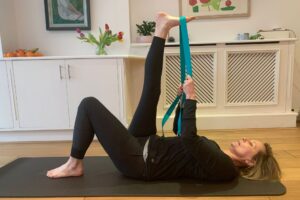
If you identified stress as one of your triggers use some mindfulness techniques to bring down the high cortisol levels. Mind & body exercises such as Pilates, yoga, tai chi are great to beat chronic stress and anxiety and may even improve your sleep.
Should you suffer really badly from hot flushes or menopausal symptoms in general then the only option is HRT. Hormone Replacement Therapy has had a bad rep in the press lately, saying that women who take HRT have an increased risk of breast cancer. I believe it’s scare mongering and recommend to see a specialist and get plenty of information about HRT to make an informed decision.
‘The Menopause Doctor’ Dr. Louise Newson says:”The media and the medical press need to stop scaring women unnecessary and allow us to make an evidence based and non biased decision regarding taking HRT for our perimenopause and menopause.”
I myself don’t suffer from hot flushes. I may have had one or two over the last few months, but I can’t complain. I hear other women moan about them and looking for tips and advice on how to keep them in check. If you belong to this group hopefully the article is giving you some food for thought.
Let me know how badly you suffer from hot flushes and share your tips and advice on how you beat them.
As always, thanks for reading!