Today I’d like to share an article with you from The Guardian published last weekend about the multi-million pound industry around anxiety.
We live in the age of anxiety. In 2013, there were 8.2 million cases of anxiety in the UK. And women are almost twice as likely to be diagnosed with anxiety disorders than men.
No wonder the market has adapted to these figures and offers a wide variety of gadgets to make you feel better.
You may be familiar with the adult colouring books, the marketing phenomenon of 2015 that sold millions due to their therapeutic mental health benefits.
But you might be surprised to hear that the products being created to help us with anxiety cover a range of nearly 30 different categories, including food like chocolate and yogurt, air fresheners, fabric conditioners and skincare.
You can even buy a pack of anti-anxiety stickers that “rebalance the energy frequency in our bodies” for £30. It’s recommended that you stick them on your body close to the left side of your heart and above it. Each sticker is programmed with specific sub-harmonic frequencies to target particular lifestyle concerns. With options like Anti-Anxiety, Focus, Beauty, Energy, Self Love, and At The Beach, it makes it easy to find your perfect mood match.
If the stickers sound a bit too much like hocus-pocus to you and you decide to approach your anxiety symptoms in a more common way, I recommend to take some time out to look after yourself on a regular basis. Little things that only take a few minutes can help lower stress and anxiety levels. Like having a bath with some delicious essential oils and candles, taking some time out in the afternoon to read a few pages in a good book or just closing your eyes and focusing on deep breathing or meditation.
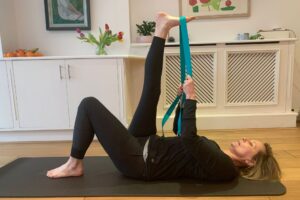
In my opinion, mind & body exercises are the best way to beat chronic stress and anxiety. Activities like Tai Chi, yoga, Pilates, breathing exercises and practicing mindfulness can help to bring your stress levels down and may even improve your sleep.
Of course these activities don’t replace professional medical advice.
Let me know what works best for you and if you tried any of the tools mentioned in the article.