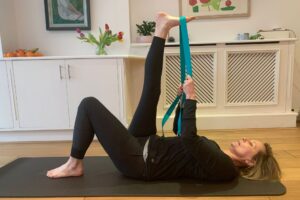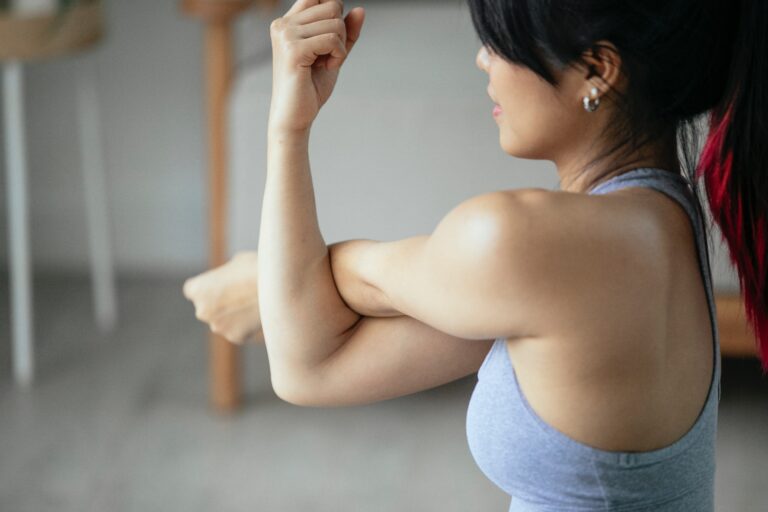
Did you know that your shoulder joints are one of the most mobile joints in your body? That’s because they’re a ball and socket design which gives you that wide range of backwards, forwards and circular motions. This is great for our functionality and enabling us to do what we wish to, but it does mean we put our shoulders through a lot each day without really realising it until we find ourselves with a painful shoulder (or two!)
This means that our shoulders are prone to damage and inflammation either to the joint itself or the supporting tendons and ligaments that keep it in place. This damage might be caused by normal wear and tear as we age, consistent repetitive movements putting additional stress and strain on your shoulder, medical conditions such as arthritis, hypermobility syndrome/EDS, etc, or ongoing issues due to an injury.
Whatever the cause of your painful shoulder, Pilates can help and that’s what I want to talk about in this blog.
Pilates can help you to prevent shoulder damage and pain
Although wear and tear in our joints are natural and inevitable as we get older, we can help our bodies negate these effects by ensuring our shoulders are well supported. That means strengthening the core muscles, tendons and ligaments that keep your shoulder in place and functioning well while working on your flexibility to prevent stiffness.
Pilates has specific movements that focus on your rotator cuff (the main muscle that stabilises your shoulder), correct posture and alignment so you’re not putting additional strain on your shoulders and can improve your flexibility too.
These movements when practised consistently can ensure your shoulder joints, neck and spine are working well together to ensure you have good shoulder functionality now, and to prevent any damage occurring in the future from misalignment issues or muscle strain.
Pilates can help you to recover from a shoulder injury
Despite our best efforts, injury can strike us at any time (that’s particularly the case at this time of year when the pavements can be icy and slips and falls are common!). Because the shoulder joint is a ball and socket, it doesn’t take much force or impact for the ball to slip away from the cup-shaped socket supporting it and that’s how subluxations, dislocations and fractures can occur.
Sports injuries or even picking up a too-heavy bag of shopping or item can damage our shoulder joint too causing ruptured tendons, tendonitis, bursitis or other “soft tissue” problems.
The great thing about Pilates is that it helps you go from your current baseline of what you can and can’t do with your shoulder and through the use of gentle movements practised often can get your shoulder moving again. So, if you’re unable to move your arm much at the moment, we focus on ensuring your core muscles are strong and supporting the joint properly, make sure the shoulder is in alignment with your upper body and slowly and gently practise movements that will help you restore mobility, function and flexibility.
Pilates is often used within the NHS as part of physiotherapy and support plans because it can be tweaked to suit your individual needs and recovery aims. You can read my blog “Pilates on the NHS? Here’s what you need to know” for more information.
Pilates can help you reduce shoulder pain and discomfort
Most of the pain from a shoulder is caused by inflammation and irritation to the surrounding tendons, ligaments and muscles which is why even when a fracture or dislocation has healed, the pain can often remain.
One way we might try to avoid the pain is by shifting our body posture, and we’re often not even aware of it. If it’s painful for you to stand tall you might pull up your shoulders to make them more comfortable, for example. Not only can this have a knock-on effect on the rest of your body as you find you may slouch or hunch your back to compensate for this new position, but it can also further irritate and inflame shoulder as you’re no longer in a natural and aligned posture.
Pilates can help reduce your pain by correcting and restoring your posture. This ensures that your shoulder is where it should be in your body so, the supporting muscles and soft tissues aren’t hindered in trying to support it.
When your alignment is corrected, it’s easier to practice those Pilates movements each day to rebuild your shoulder strength, mobility and flexibility. A strong and well-supported shoulder is less likely to develop irritation or inflammation and any existing inflammation will heal more quickly and easily.
Pilates is a useful tool in your pain management plan
Pilates isn’t going to cure your painful shoulder or stop you from having any issues in the future but what it can do is reduce injury risk, prevent mechanical wear and tear by ensuring you’re using your body and shoulder in a properly aligned way, and help you overcome pain caused by inflammation and impingement on the shoulder by restoring lost functionality and flexibility.
That’s why Pilates is often recommended by the NHS as an additional tool in your pain management plan, shoulder rehab plan or for ongoing medical conditions that may affect your shoulder. Anecdotally, I’ve seen many of my shoulder workshop attendees and class members who have started Pilates with shoulder pain or problems and seen the benefits of Pilates over their time with me and through practising Pilates regularly have helped to manage their pain or recover from it completely.
I’d love to help you too, so if shoulder pain is a problem for you, please take a look at my online, on-demand and in-person classes and workshops to see how Pilates can help with your painful shoulder.