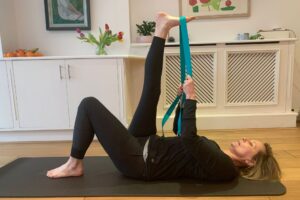
Do you have pain on the bottom of your foot, around your heel and arch or when you lift your toes? Does the pain get worse when you move after sleeping, resting or standing for a long period?
If you’ve said yes, there’s a strong possibility that you have Plantar Fasciitis. A common medical condition caused by too much tension on the fascia, a bowstring shaped tissue that supports the arch of your foot, assists with the transfer of weight, and absorbs shock as you walk or run. This tension can cause microtears and degeneration in the tissue so it’s unable to support your foot properly and becomes inflamed. This creates that all too familiar pain when you start to move again after a period of time resting or standing.
What causes Plantar Fasciitis
Essentially, too much stress and strain on the Plantar Fascia causes tension on the tissue, which enables the microtears and degeneration to occur. There are a few common causes, such as:
- Faulty footwear – it’s not supportive or forces your feet into unnatural positions (i.e., high heels)
- Having naturally very high arches or flat feet both of which cause the fascia to do more work
- Rapid weight gain – puts additional tension on the fascia
- Tight calf muscles or Achilles tendon – when other muscles and tissues are under strain, this can cause surrounding tissues to compensate for them
- Sudden change in activity – excessive exercising without a gradual build up can be a common cause of Plantar Fasciitis
- Standing for long amounts of time – puts additional pressure onto the fascia
- Poor lower body alignment – when your body is out of alignment it can put more stress on your muscles, tendons and tissues
As you can see, it’s often our lifestyle choices and work commitments that can be the cause of Plantar Fasciitis. What we normally do on a day-to-day basis, those New Year health plans and our fashion choices can suddenly be the cause of pain when the stress and strain we’re placing on our feet becomes too much.
If you do think you have Plantar Fasciitis, you should consult with your GP for diagnosis and to rule out other conditions that create similar symptoms, such as Achilles tendonitis, heel spurs, bursitis or neuropathy.
What are the treatments for Plantar Fasciitis?
This is where medicine isn’t the answer, unfortunately. There’s no magic pill that can remove your pain and have you back to normal again. To relieve the pain and discomfort, you’ll be advised to rest your affected foot, wear supportive shoes and ditch those high heels, avoid walking barefoot, and to reduce weight where appropriate.
It takes around a year for your foot to heal from Plantar Fasciitis but if you don’t change your lifestyle it’ll just come back again. That means you need to consider the shoes you wear for all occasions, managing your weight where possible, and avoiding activities that put pressure on your feet where you can.
Regular exercise can help you strengthen the muscles and tissues in your body to enable them to deal with stress and strain more easily, but you need to be careful to avoid any exercise that puts additional pressure on to your feet such as running or aerobics.
Why Pilates can be great for Plantar Fasciitis
Joe Pilates worked with professional dancers when creating the Pilates movement and it’s probably not surprising that he considered the feet to be so important that a lot of his efforts went into developing movements and apparatus especially for the feet. Understanding that not just dancers but all of us need a strong core and feet to be able to function well and pain-free, there are specific Pilates movements that can identify and correct foot and ankle alignment issues that can trigger the tension causing Plantar Fasciitis and rehabilitate when it’s occurred.
Pilates movements are designed to help you strengthen and tone your muscles, improve your flexibility, and restore some calm and balance to your body and mind too. It’s an all-over body (and mind!) workout created to have your body working at its best but is ideal for beginners and those with pain as all movements can be adapted to suit you. This makes Pilates ideal, not just for rehabilitating from Plantar Fasciitis, but to help you with those lifestyle changes that can prevent it from happening again in the future.