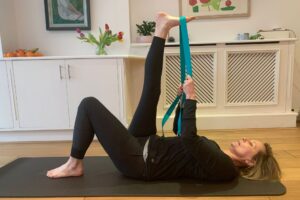
Did you know that around 4 in 5 adults (that’s a whopping 80%) of adults will experience lower back pain at some point in their lives? If you’re reading this blog, then I suspect you’re one of those individuals, and know just how much of an impact back pain can have on your life, at home and at work.
Back pain is the most common cause of job-related disability and a leading contributor to missed workdays. But there are ways to help you manage your back pain and reduce its effects on you, and one of those is to keep moving regularly. So, in this blog, I want to share with you the reasons why gentle movement with Pilates can be beneficial for your back pain.
Most lower back pain has a non-specific cause
Although arthritis and other medical conditions can cause back pain, over 90% of cases occur for a ‘non-specific reason’. Non-specific back pain can be caused by traumatic injuries, lumbar strain or sprain, or postural strain by lifestyle factors like:
- Repetitively moving or lifting heavy items
- Lifting items awkwardly
- Long periods of standing
- Overall poor health
- Poor posture
- Poor support from an office chair
Over time, these factors can weaken the ligaments and muscles in your body that support your back and joints further, leading to lower back pain, pain in other joints or muscles, and a higher risk of strains and sprains occurring.
Non-specific lower back pain can affect anyone of any age doe the potential causes highlighted above, which is why it is a leading cause of sick days around the world. However, painkillers may reduce the symptoms of back pain, but they cannot remove the causes, which is why back pain can be such a persistent and chronic condition. So, what can you do to manage lower back pain?
Going into protective mode is the worst thing you can do
Because movement hurts when you have low back pain, you might think the logical thing to do is to stop moving until the pain has gone. But contrary to this, it’s gentle movement and staying active that will reduce your pain and enable you to get back to your regular life.
Because it’s weakness and/or tension in your muscles and ligaments that have enabled the back pain to occur, not using them by resting will only ensure they continue to be weak and tight. Regular gentle movement with a focus on strengthening those core muscles will help you unload that tension, reduce your back pain, improve your posture, and get you back to doing what you love most.
Pilates is a fantastic way to prevent and reduce lower back pain
Pilates is a total body workout that uses gentle movements to strengthen your core muscles, improve your posture and flexibility, reduce the stress and tension you’re holding in your body, and focus on any problem areas you might have with your spine or joints.
Pilates is great for preventing you from developing back pain but if that’s already happened for you, Pilates can help you recover from and manage that pain in a slow and controlled way that works for you. All Pilates exercises can be modified to suit your current ability and needs and that’s why Pilates is often recommended by the NHS as a great way to manage back pain and rehabilitate from injuries for that reason!
Join my Back Care Workshop to prevent, reduce and recover from back pain
Absolutely no experience with Pilates is necessary as my Back Care Workshop is open to everyone whether you want to prevent back pain from developing, or you’re already experiencing back pain and want to learn how to manage, reduce and recover from it.
Taking place on Saturday 3rd December, between 1 and 3 pm at The Cumberland Tennisclub, 25 Alvanley Gardens in West Hampstead NW6 1JD.
I will cover:
- the common causes of back pain
- how and why it’s important to keep moving with back pain
- why hip mobility is so important for a healthy back
- how to find the best exercises to help you manage your tight back
- what else you can do besides Pilates for back pain
Simply click here to book your place on my Back Care Workshop now, and why not help a friend or family member by sharing this blog with them or inviting them to attend the workshop with you? Everyone is very welcome to attend.