Lower back pain and tightness are common issues affecting millions of people worldwide. This discomfort often stems from prolonged periods of standing, a frequent demand in many occupations and daily routines – standing on the bus or tube, queueing while travelling, watching your child playing sports, attending a concert, or chatting to your friends at a party, are all activities we might do on a more or less regular basis.
In this blog post, we’ll delve into the causes of lower back pain and tightness, discuss some preventive measures you can take to reduce the risk and explore various strategies to reduce or manage your back pain.
Understanding lower back pain
When you stand for long periods, you’re exerting continuous pressure on your lower back muscles and spine. This can lead to discomfort, pain, and tightness. Our bodies are designed for movement rather than static positions, and standing still for extended periods can cause muscle fatigue and strain.
Ignoring lower back pain and tightness can lead to severe consequences. Over time, this can progress into chronic back pain, posture issues, and could potentially trigger more serious medical conditions such as disc damage or nerve impingement. Prevention is paramount to avoid these complications and to maintain a good quality of life.
Prevention is better than the cure
The adage ‘prevention is better than cure’ is particularly appropriate when dealing with lower back pain and tightness. Maintaining a good posture while standing is vital, along with aligning your body so that your weight is evenly distributed, and keeping your shoulders relaxed and your back straight. The proper footwear can also make a significant difference; rather than wearing high heels try and choose shoes that are comfortable and supportive.
Introducing movement and variety into your routine is a good way to prevent the issues caused by standing in place for too long and straining your back. Taking stretching breaks at regular intervals can be beneficial, even just for a few minutes. Carry on reading to the end of this blog as I share some of my quick tips for adding movement while standing for long periods.
How to handle existing back pain and tightness
If you’re already experiencing lower back pain and tightness, there are some strategies you can explore to help manage or reduce your pain. Physiotherapy is a great starting point as targeted exercises can strengthen your back muscles, enhance flexibility, and promote better posture. Ask your GP for a referral.
Professional massages can help to relax tense muscles and promote better circulation, while techniques such as acupuncture and osteopathic treatment can potentially address underlying issues causing the pain. If your symptoms persist, it is important to consult with a medical professional as they can provide a thorough examination, accurately diagnose the problem, and suggest suitable treatment options.
The Role of Pilates in Alleviating Lower Back Pain and Tightness
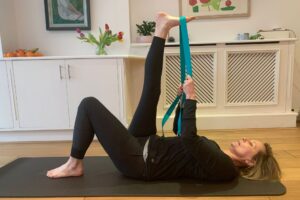
Pilates is an effective form of exercise that can help you to reduce your lower back pain and tightness caused by prolonged standing. Pilates is a holistic approach that focuses on core strength, flexibility, and conscious body movement. These elements are critical for maintaining good posture, which is essential to avoid undue strain on the lower back when standing for long periods.
Regularly practicing Pilates can strengthen your core muscles which are the foundational support for your lower back. Pilates also promotes body awareness, helping you become more conscious of how you stand, move, and use your body in daily activities. This increased awareness can improve posture and movement habits, further reducing the risk of back pain and tightness.
The great thing about Pilates is that it is highly adaptable, making it suitable for individuals of all fitness levels. Whether you’re a beginner or an advanced exerciser, you can modify the exercises to match your current ability, and gradually increase the challenge as your strength and flexibility improve.
Three quick tips to help you reduce back pain and tightness while standing
I’ve discussed some of the long-term preventative strategies that can help prevent or manage lower back pain, but what about some quick and easy things you can do right now? Well, here are my three quick tips for when you’re standing for a long period of time:
- change your stance from parallel to turned out and feel how your buttocks are doing a bit more work taking the pressure away from your lower back. From here change the leg position into a turned-in position (pigeon-toed); this stance helps to release your lower back muscles. So, keep changing from parallel to turned out to turn in.
- shift your weight from your heels to your toes, back and forth. Gently rocking forward and backward taking the pressure off the lower back.
- soften the knees. Make sure knees are not hyperextended. By relaxing the knees a little your pelvis and chest will also move into a more relaxed position to release tightness in the lower back.
Just these three simple things will help reduce your lower back pain and tightness while standing. If you’re already experiencing lower back pain and tightness from standing for extended periods, consider incorporating Pilates into your fitness routine. Remember, your health is an investment, not an expense. If you found this post informative and helpful, share it with others who might also benefit.