Balance plays a crucial role in daily activities such as walking, standing, and reaching, and it can also help prevent falls and injuries. This is why as we get older, it’s important to maintain our balance for continued health benefits and good quality of life – none of us want to be at risk of falls or unable to do the things we love to do!
In this blog, I want to talk a little about what balance actually is, why it matters and some of the strategies you can use to maintain your balance as you age.
Why Balance Matters: Understanding the Importance of Stability
Balance is the ability to control your body’s position while moving or standing still. Balancing involves complex interactions between your senses, your nervous system, and your muscles. As we age, these systems can become weaker making it harder for the necessary information needed to balance to be sent from your eyes, ears, and sensory nerves to your brain.
Natural age-related changes in our bodies, including changes in vision, hearing, and muscle strength, can affect our ability to maintain balance. And many chronic conditions, physical health changes, and medications may also have an impact on our balance, which means there are multiple factors affecting our ability to balance that only increase as we get older.
Maintaining balance is essential for performing everyday activities like walking, climbing stairs, reaching for objects, and standing up from a chair. Poor balance can result in falls, which can be particularly dangerous for older adults as they can lead to injuries, reduced mobility, and loss of independence. It can also be tough on your mental health if you’re unable to do the activities you enjoy due to balance issues.
Benefits of Maintaining Balance
Maintaining balance has several benefits for your overall health and well-being. These benefits include:
Reducing the risk of falls and injuries: Falls can lead to serious injuries such as broken bones much more easily as we get older, so anything we can to do avoid falls, such as maintaining good balance, is worthwhile.
Improving proprioception and body awareness: Proprioception is the ability to know where your body is in space. Improving your proprioception can help you to become more aware of how your body moves and be able to react more quickly to prevent falls. Good balance requires good proprioception, which can be improved through balance exercises.
Enhancing confidence and independence: Maintaining a good balance can help you to engage in activities that you might otherwise avoid due to fear of falling, such as walking, hiking, or participating in fitness classes. This can help you to feel more confident and independent.
Reduce the risk of cognitive decline: Good balance can also help you to reduce the risk of cognitive decline. Research has shown that poor balance is associated with a higher risk of cognitive decline, dementia, and Alzheimer’s disease. By maintaining a good balance, you may be reducing your risk of developing these conditions.
Mastering Balance: Tips for Improvement and Maintenance
There are various ways to improve and maintain balance, including:
Having a balanced diet that will provide your body with the nutrition necessary to maintain muscle strength and your overall health. It’s also important to discuss any medications you’re taking with your pharmacist/doctor to see if they may affect your balance, and how you might be able to mitigate those side effects.
Getting annual eye examinations is important, as poor vision can directly affect your balance. Corrective glasses can make all the difference! Getting a good night’s sleep can also help with your overall health and indirectly improve your balance as a result.
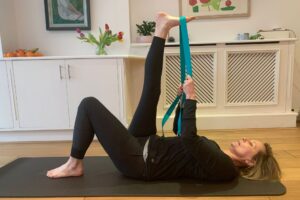
Balance training exercises and other fitness activities can help you to improve your balance and maintain your muscle strength and flexibility too. Pilates can be a great way to improve your overall physical health and improve your balance as the movements and muscle-strengthening activities can be done at your own pace, making them accessible for everyone regardless of age or ability (there’s a reason why Pilates is often available through the NHS!)
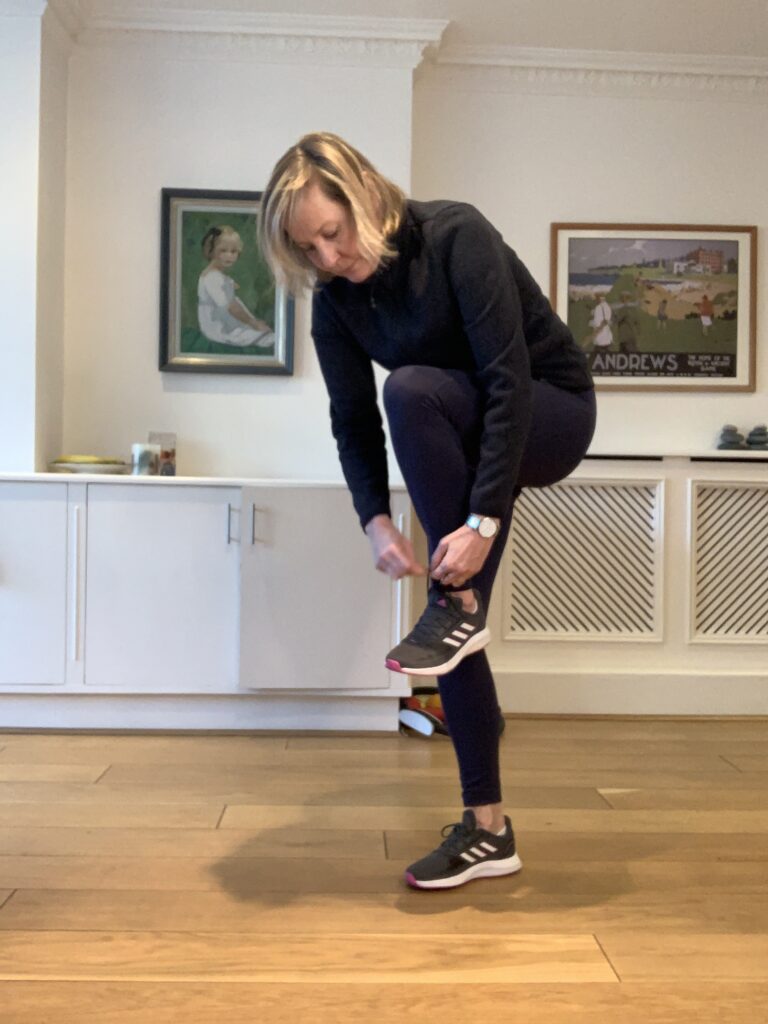
For a while now I’ve been including a few balance exercises/challenges in my group classes as I think good balance is so important, and improving balance is not always done while standing either! In Pilates, we challenge our stability by lying on our side, kneeling, and in a more advanced setting even sitting!
Maintaining balance as we age is crucial for our health and well-being. How you choose to do this is completely up to you, but hopefully, this blog has given you some ideas for the best way to improve and maintain your balance, such as balance training exercises in Pilates.
If that is something that appeals to you, why not check out our Pilates classes for bone health which specifically focus on balance, strength and flexibility to improve your overall health and reduce your risk of falls and other issues as you get older.