Have you found that simple things like brushing your hair or doing your bra up have become difficult if not impossible since your menopause started? Don’t worry, you’re not alone. It’s likely to be caused by a condition called adhesive capsulitis or “frozen shoulder” and some experts say that it’s hormonal changes to blame.
What is “frozen shoulder”?
Frozen shoulder is a condition where you experience pain and stiffness to your shoulder joint which tends to gradually worsen over time before resolving up to three years after symptoms began. The known causes of frozen shoulder are varied and may include direct injury, stroke, having a mastectomy, or having diabetes or thyroid disease.
Frozen shoulder is known to be more common in women aged 40 and older than any other age group.
So, is there a link with menopause?
This is where things tend to get a bit murky. There’s no known direct cause and effect between experiencing menopause and having a frozen shoulder. It is known that hormonal changes can trigger:
- Joint pain
- Joint stiffness
- Fatigue
- Poor sleep
- Brain fog
- Depression
It is known that anything that causes you to immobilize your arm or reduce activity for a long period can trigger a frozen shoulder. It’s not a big jump for the imagination to see that when you’re in low spirits, experiencing pain and stiffness and feeling exhausted through menopause you may not be as active as you once were.
How will I know if I have a frozen shoulder?
Because we get joint pain and stiffness all over our bodies during menopause, we might just attribute any shoulder issues to that. So, how can you tell if your shoulder pain is actually due to a frozen shoulder?
There are actually three stages to frozen shoulder –
Freezing stage – any movement of your pain causes pain and you’ll find that your range of motion is getting limited. Tasks like reaching into a cupboard are likely to be difficult and painful.
Frozen stage – although the pain in this stage is less, your shoulder becomes stiffer and it’s much more difficult to do things like brushing your hair.
Thawing stage – when the frozen shoulder starts to resolve you’ll find the range of motion in your arm slowly improves.
You may have had this pain and stiffness believing it to be arthritis but if these stages feel similar to your experiences, do speak to a doctor for a physical exam and diagnosis.
Can frozen shoulder be treated?
The aim of treatment for frozen shoulder is to reduce pain, improve range of motion and bring down any inflammation. This generally involves pain relief, steroid injections and exercise. On the NHS you may be offered some appointments with a physiotherapist who will show you some exercises you can practice at home to maintain and improve your range of movement.
However, these treatment options are about coping with the symptoms and where frozen shoulder may be caused by hormonal changes through menopause, there are other aspects to consider. If you’ve reduced your activity because of depression, brain fog and overall stiffness throughout your body; physiotherapy and steroid injections might not be the fix you’re looking for.
Pilates for frozen shoulder
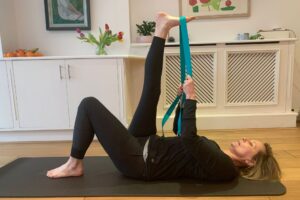
There’s no quick fix for a frozen shoulder, sadly. However, there are things you can do for your entire body and mind as you go through menopause and all the symptoms and conditions associated with it. And for me, Pilates comes number one.
I find Pilates is a fantastic way to cope with the effects of menopause because the focus is on you. You can take some metime, tune with yourself and how you’re feeling and work out those stresses and concerns with each movement knowing that you’re helping your strength, flexibility and overall fitness as you do so!
Not only is Pilates often recommended by the NHS for help with specific conditions like frozen surgery, it’s also a form of exercise and movement that can be adapted for anyone. If you’re struggling to move your shoulder at the moment then we can change the movements to suit what you can do and eventually, as you regain movement again, adjust them to suit your new level of strength and flexibility.
I’ve written a blog about Pilates for a painful shoulder so have a read of that for more specific details on why Pilates might be a good option for you. In a nutshell, Pilates can help you to reduce shoulder pain and discomfort, help you establish your current baseline and improve upon it at a pace that suits you, and you’ll feel supported and motivated by your fellow classmates and Pilates teacher!
If you think you might have a frozen shoulder then do check in with your GP about the condition and the help that’s available and ask them about using Pilates to aid your recovery. I run a range of in-person classes in West Hampstead London and online Pilates classes via Zoom, and I’m more than happy to have a conversation about what a Pilates session might look like for you, so get in touch to find out more.