“Is it wrong that I enjoy Pilates so much?” This question came from one of my valued clients, Paul. It’s a question that made me ponder the true essence of this exercise form, and how it impacts different people in distinct ways. This interaction with Paul led to an insightful exploration of Pilates that I’ll share with you in this post.
Paul is not your typical Pilates enthusiast. He’s a calm, thoughtful man in his early sixties who started this journey with his wife. His curiosity about Pilates and the enjoyment he derives from it brings to light a unique perspective on this holistic exercise form.
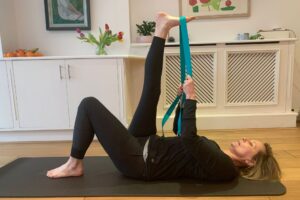
Paul usually accompanies his wife for a duet session, but when his wife had to cancel, he decided to come alone. Paul has been working at a basic level but had been making steady progress. His approach to Pilates is marked by a unique concentration and commitment. With every exercise, you can see him deeply engrossed, working both his body and mind in unison, a quality that is instrumental in the progression of Pilates.
One day, after finishing an exercise in the middle of the session, Paul voiced out his fondness for Pilates. He pointed out that it wasn’t just a physical workout, but a mental engagement too. He finds this dual interaction of the mind and body very satisfying and relaxing.
I couldn’t agree more with Paul. Pilates is not just about flexing muscles and stretching limbs. It is about awareness, concentration, and the fascinating dialogue between the mind and body. The beauty of this method lies in how our mind steers our body into movements that are enjoyable, functional, and health-enhancing.
The Role of the Mind in Pilates
Pilates is special, not just because of the unique set of exercises, but because of the integral role the mind plays. The concentration required in Pilates allows the mind to guide the body through each movement. But it’s not always a straightforward process. The mind can sometimes play tricks, as I discussed in a previous post titled “I failed miserably and took action”.
Comparing Pilates to gym exercises reveals a significant difference. In the gym, one often does countless repetitions of an exercise while letting the mind wander. This is not the case in Pilates. There’s no space to think about your grocery list or plan for post-class activities. If you lose focus, you lose the purpose of the exercise.
The Importance of Concentration in Pilates
Concentration is a prerequisite in Pilates. The movements and exercises are designed to align the body, but it is your mind that determines how effective they will be. It’s through complete focus and presence that one can truly maximise the benefits of Pilates.
When you give your full attention to each movement, you aren’t just exercising your body, but also your mind. It’s this mental workout that leaves you feeling refreshed and energised after each session. That’s the power of concentration in Pilates – it isn’t just about physical strength and flexibility, but also mental fortitude.
Once you understand the need to be fully present during a Pilates session, it reflects in your movements. The quality of the exercises improves, your movements become more fluid, and your overall progress accelerates. I have observed this transformation in many clients, including Paul.
Teaching clients who have grasped the concept of presence in Pilates is an absolute joy. There’s a tangible difference in the way they approach the exercises and the progress they make. This understanding of the method not only enhances their experience but also makes teaching an enriching experience for me.
It’s ok to enjoy Pilates!
When Paul asked, “Is it possible to enjoy Pilates too much?” I couldn’t help but smile. Enjoyment is the cornerstone of any activity. If you find joy in what you do, it doesn’t feel like work. This is especially true for Pilates. So, my reply to Paul’s intriguing question was, “Absolutely not. That’s the beauty of Pilates!”
The enjoyment derived from Pilates is unique. It’s not just about the endorphins released during exercise, but the satisfaction of completing a challenging movement, the delight in achieving greater flexibility, and the mental calm from focusing entirely on your body.
So, to all Pilates enthusiasts, novices, and those contemplating starting, remember Paul’s story. Let it inspire you to view Pilates not just as an exercise routine, but as a journey of the mind and body, bringing together concentration, flexibility, strength, and, most importantly, enjoyment. Here’s to hoping you enjoy your next session as much as Paul does!